About
The decision to use AI is already in front of you. The decision that still belongs to you is what the system is allowed to do, where it runs, and what you can show when someone asks how it worked. We review the architecture, deploy governed AI on infrastructure you control, and stay with it after launch on a scope you agree.
AI Standards opens in a new tabWhat we examine
Core Questions
On how intelligent systems should behave, where they fail, and who answers for them.
Accountability
When an AI system acts for an organisation, who owns the outcome, and how that ownership is written down before anything goes wrong.
Uncertainty
Architecture that makes what a model does not know visible and enforceable, instead of hiding it behind confident prose.
Sovereignty
Running intelligence on your own terms: the operational decisions and tradeoffs behind a system you actually control.
Agents
AI that acts, not just answers. What changes when software can send, buy, book and decide on your behalf.
Records & Truth
Immutability establishes a record. It does not establish truth. Provenance, audit and the limits of both.
Human Judgment
What we keep, and what we risk losing, when machines start doing more of the thinking.
Leadership
Veteran professionals. Real experience.
No junior analysts running your deployment. The people who designed the system are the people who build yours.

Anwesh Rath
Co-Founder · CTO & Chief Scientist
Architects and builds the platform end to end: sovereign model stacks, governed inference, and the cryptographic governance layer that lets organizations prove exactly what their AI did. Leads the research turning “trust us” compliance into receipts you can independently verify.
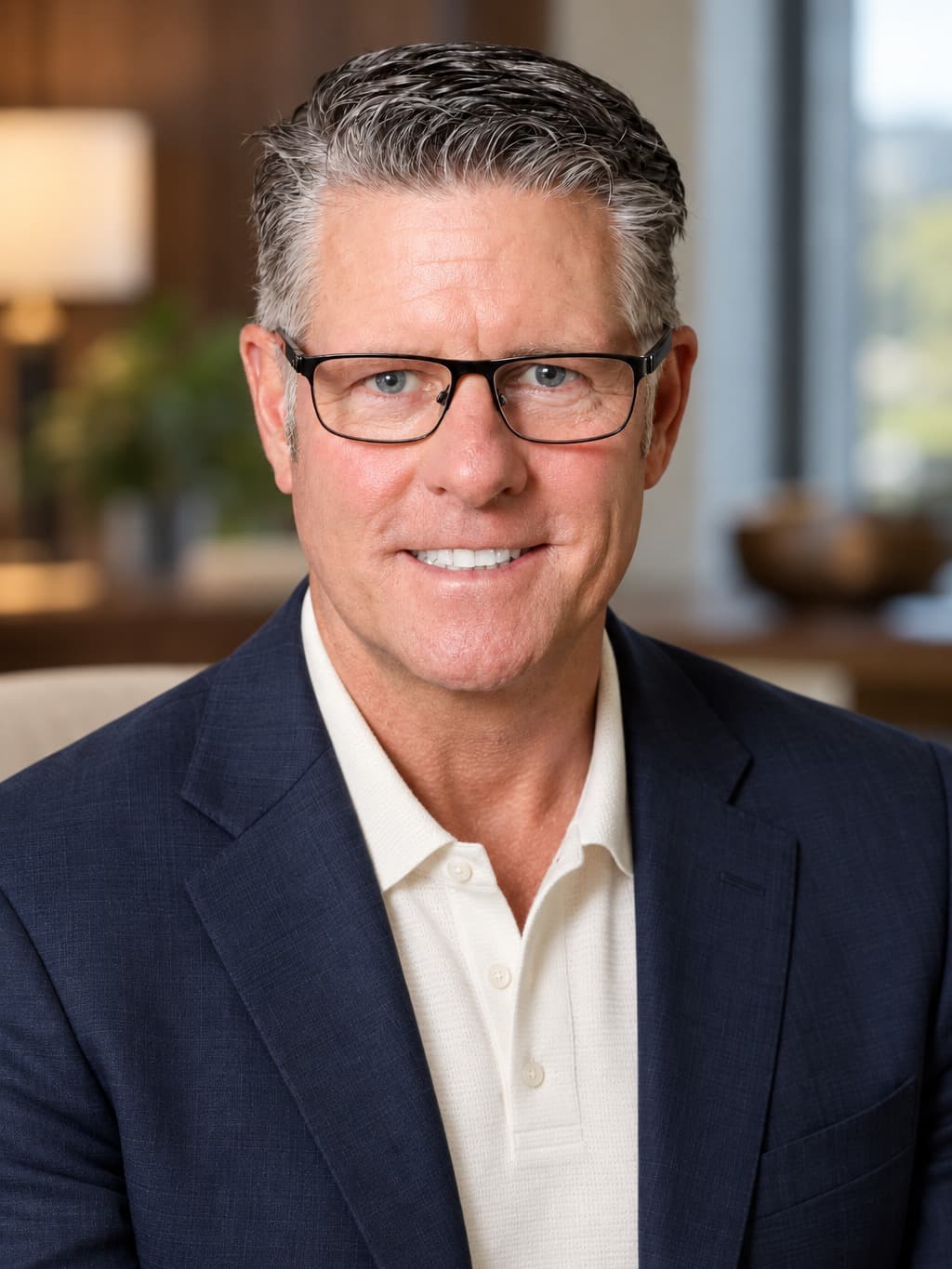
Joe Quenneville
Co-Founder & CEO
Joe Quenneville is the Founder and CEO of AI Standards, bringing over 35 years of technology leadership to a single conviction: nearly every AI failure, risk, and low-quality result traces back to the absence of standards. He leads the company from decades of leadership across enterprise technology, cybersecurity, and compliance.

Fran Horvath
Co-Founder & CVO / Chief Vision Officer
Fran Horvath identified the AI governance gap before the market had language for it, and designed the systems to close it. She architects the strategic, operational, and financial frameworks behind AI Standards’ deployment model.
Essays
- SecurityMicrosoft Purview & Multi-Cloud AI Runtime GovernanceMicrosoft Purview governs M365 data access, not multi-cloud AI inference. Learn how CISOs add zero-egress runtime proof across AWS, Azure, and OpenAI.5 min
- AI GovernanceYour AI Passed the Pilot. Who Controls What Happens Next?An experiment in Pong makes an enterprise governance problem visible: an agent can perform well under one set of conditions and keep its permission to act after those conditions change.6 min
- StandardsThe FAA Ground Stop & Critical Infrastructure AI Proof72 hours after a nationwide FAA AI rollout, overloaded routers grounded U.S. flights for 5 hours. Here is why critical infrastructure needs AI proof.9 min
- StandardsDigit 5 & the $300M Humanoid Safety Certification GapAgility Robotics' $300M Digit 5 backlog hinges on 2027 safety proof. Here is how AIS turns conditional Physical AI orders into bankable revenue.7 min
- Sovereign AIAnthropic's S-1 & Outcome Pricing: A CEO Warning on AIAnthropic's 318-page S-1 and Dario Amodei's pay-for-results remarks prove cloud AI labs want equity in your IP. Here is the CEO sovereign alternative.8 min
- GRCSEC FY2027 AI Exams & Treasury FS AI RMF: 9 Fiduciary TestsHow the SEC FY2027 Examination Priorities and U.S. Treasury FS AI RMF reshape fiduciary AI compliance, and how AI Standards answers all 9 examiner tests.8 min